Tips
Have Questions About Healthy Cooking? Get Answers Here
What is healthy meal planning?
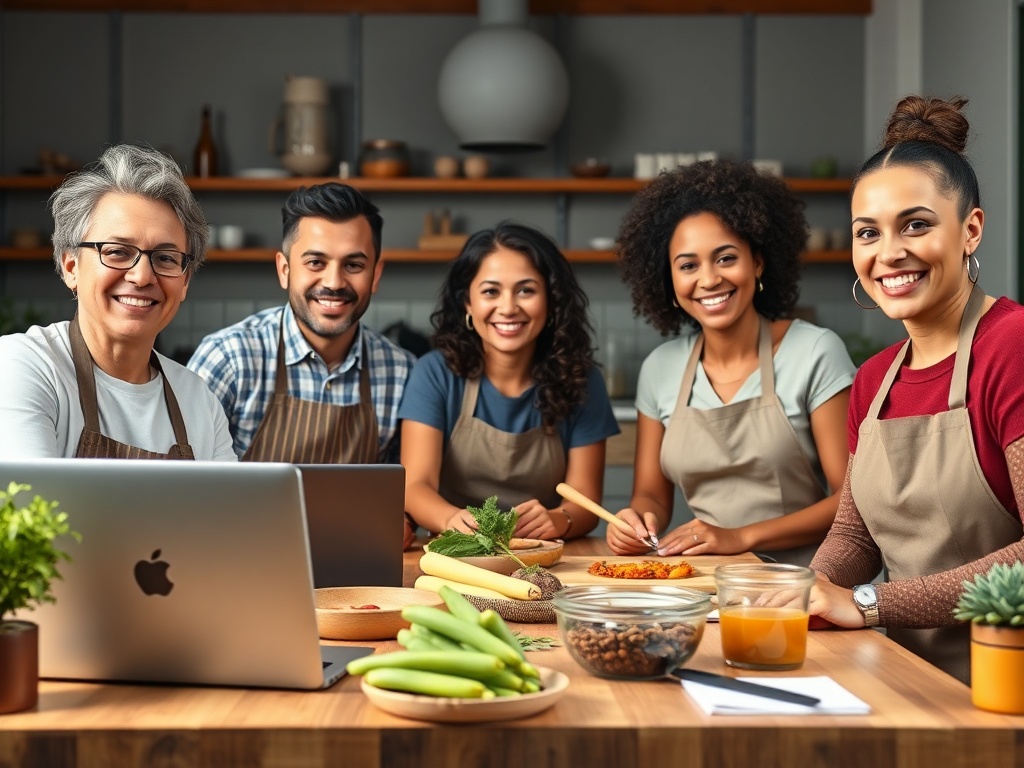
Healthy meal planning forms the foundation of nutritious eating habits. It involves selecting whole foods, balancing macronutrients, and preparing meals in advance to avoid unhealthy choices. By understanding portion sizes and ingredient quality, you can transform your relationship with food. Planning meals helps reduce food waste, saves money, and ensures you're fueling your body with nutrients it needs daily.
Why is cooking at home important?
Cooking at home gives you complete control over ingredients and preparation methods. Restaurant meals often contain excess sodium, sugar, and unhealthy fats that can undermine your wellness goals. When you cook yourself, you know exactly what goes into every dish. This practice builds confidence in the kitchen, strengthens family bonds through shared meals, and creates lasting healthy habits that benefit your long-term health.
What are the essential skills for healthy kitchen cooking?
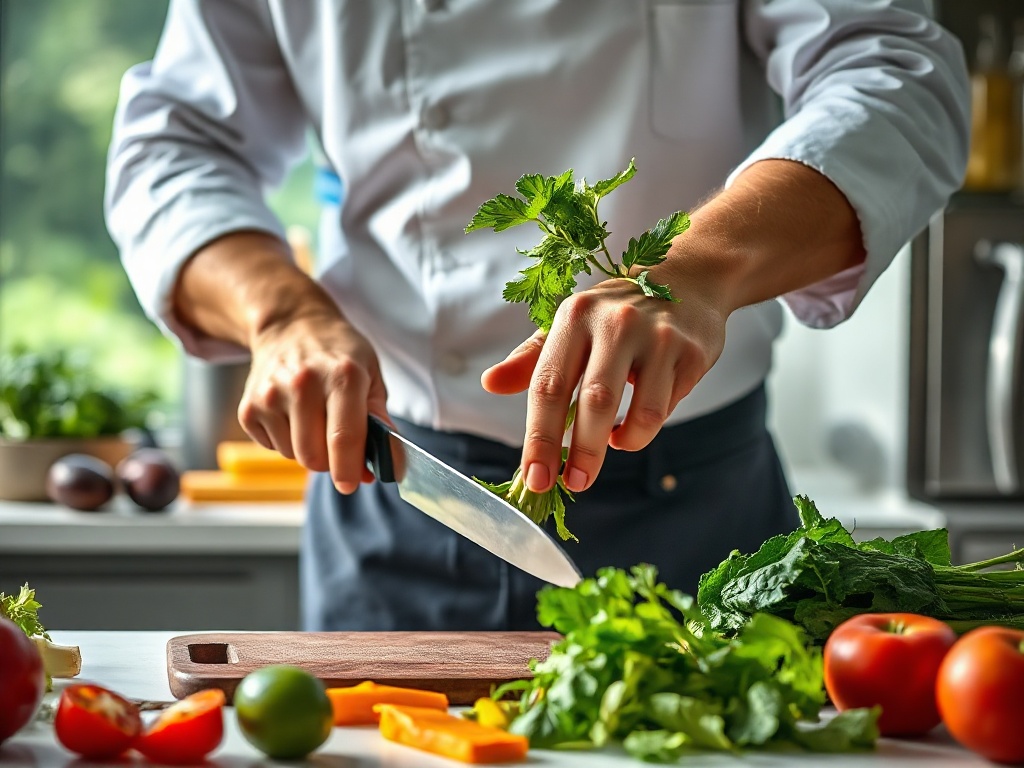
Essential cooking skills include proper knife techniques, understanding heat control, and mastering basic cooking methods like steaming, grilling, and baking. Learning to season foods naturally without excess salt, preparing vegetables to retain nutrients, and organizing your kitchen efficiently are fundamental. These skills empower you to create delicious, nutritious meals quickly. Developing these competencies transforms cooking from a chore into an enjoyable, creative activity.
How do I balance nutrition in my daily meals?
Balanced nutrition requires combining proteins, healthy fats, complex carbohydrates, and plenty of vegetables in each meal. Fill half your plate with colorful vegetables, one quarter with lean protein, and one quarter with whole grains. Include healthy fats from nuts, seeds, and quality oils. Understanding macronutrient ratios and micronutrient sources helps you make informed choices. Our course teaches you to create balanced plates that support your energy, recovery, and overall wellness.
What are the best cooking methods for health?
Steaming, grilling, baking, and sautéing with minimal oil preserve nutrients better than deep frying. These methods reduce calorie intake while maintaining food's natural flavors and textures. Cooking at lower temperatures prevents harmful compounds from forming. Mastering these techniques allows you to prepare restaurant-quality meals at home. Learn how different methods affect nutritional content and discover which techniques work best for various ingredients and cuisines.
How can I meal prep efficiently each week?
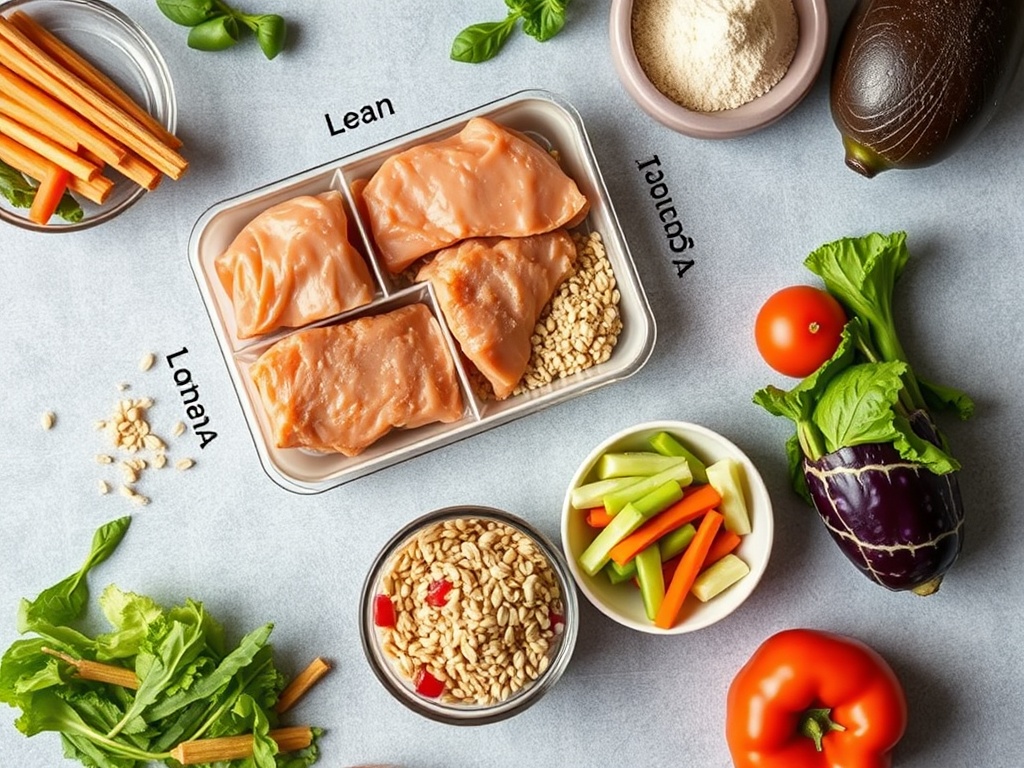
Effective meal prep starts with planning menus, shopping strategically, and dedicating a few hours weekly to preparation. Wash and chop vegetables, cook grains and proteins in bulk, and store them in proper containers. Prepare versatile components that work across multiple meals. This approach saves time during busy weekdays, prevents impulsive unhealthy choices, and ensures you always have nutritious food available. Our course provides complete meal prep systems tailored to your schedule.
Master healthy cooking with our comprehensive online course today
What ingredients should I stock regularly?
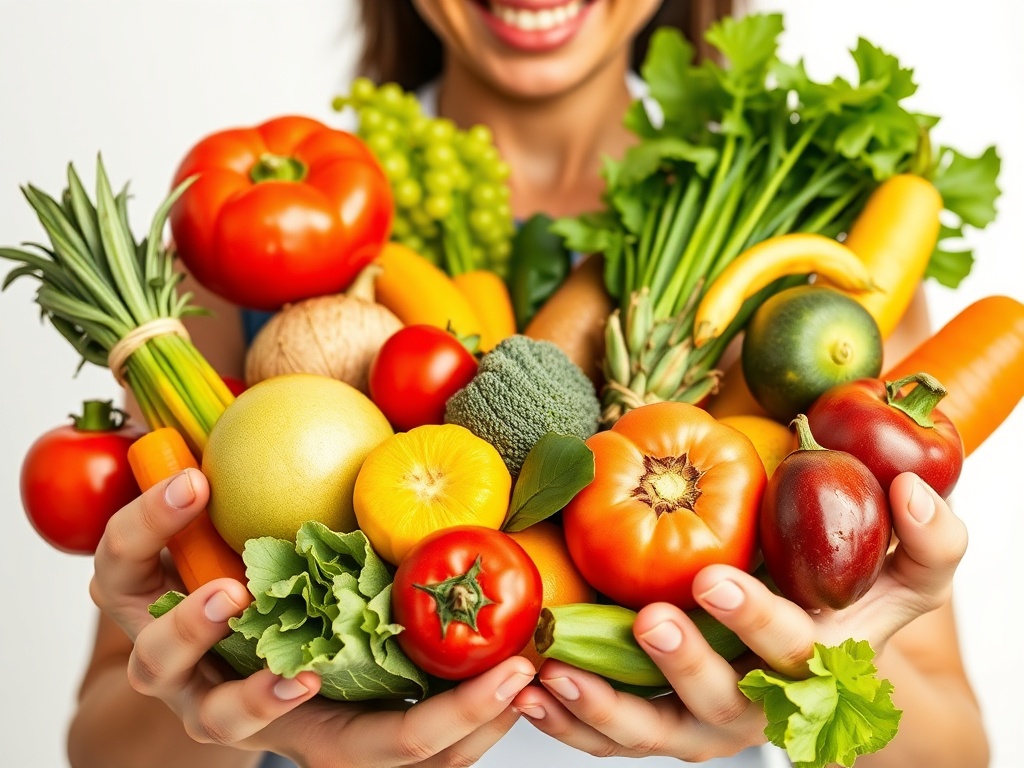
A healthy pantry includes whole grains, legumes, canned tomatoes, and quality oils as foundations. Fresh vegetables, fruits, lean proteins, and herbs should be regular purchases. Invest in quality spices instead of salt for flavor. Stock nuts, seeds, and natural nut butters for healthy fats. Keep low-sodium broths and canned fish available for quick meals. Understanding which ingredients provide maximum nutrition helps you make smart purchases and create endless meal combinations easily.
How do I cook without excess salt and sugar?
Use fresh herbs, citrus, vinegars, and spices to add incredible flavor without sodium or sugar. Learn techniques like caramelizing vegetables naturally and using umami-rich ingredients like garlic and mushrooms. Taste your food as you cook to adjust seasonings properly. Reduce reliance on processed condiments and sauces. Our course teaches flavor building from scratch, helping you discover that healthy food tastes absolutely delicious without unhealthy additions.
What equipment do I need for healthy home cooking?
Essential equipment includes quality knives, cutting boards, mixing bowls, measuring tools, and non-toxic cookware like stainless steel or cast iron. A food processor saves prep time significantly. Good storage containers keep prepared food fresh longer. Instant-read thermometers ensure proper cooking. You don't need expensive gadgets; focus on fundamentals that last years. Our course recommends affordable options that professional cooks use, helping you build a functional kitchen.
How can I make healthy versions of favorite foods?
Recreate beloved dishes using whole grain alternatives, vegetable substitutions, and natural sweeteners. Use Greek yogurt instead of sour cream, mashed beans instead of heavy creams, and spiralized vegetables instead of noodles. Season generously with herbs and spices to maintain satisfaction. These swaps reduce calories and increase nutrition without sacrificing enjoyment. Our course includes recipes transforming comfort foods into wellness-supporting meals your whole family enjoys.
How do I handle cravings and stay consistent?
Address cravings by ensuring balanced meals with adequate protein and healthy fats that stabilize blood sugar. Understand whether cravings signal nutritional needs or emotional triggers. Plan satisfying snacks you genuinely enjoy. Practice mindful eating to identify true hunger versus habit. Build consistency through systems and routines rather than willpower alone. Our course addresses the psychology of eating, helping you develop sustainable habits that feel natural.
Can I eat out while maintaining healthy habits?
Restaurant eating is possible with smart choices: request dressings separately, choose grilled proteins, add extra vegetables, and modify dishes freely. Many restaurants accommodate dietary preferences when asked respectfully. Review menus beforehand to identify nutritious options. Understand that occasional indulgences don't derail progress if your baseline habits are strong. Our course teaches dining-out strategies that maintain wellness goals while enjoying social experiences.
Start your healthy cooking journey today
Transform your kitchen with science-backed nutrition knowledge